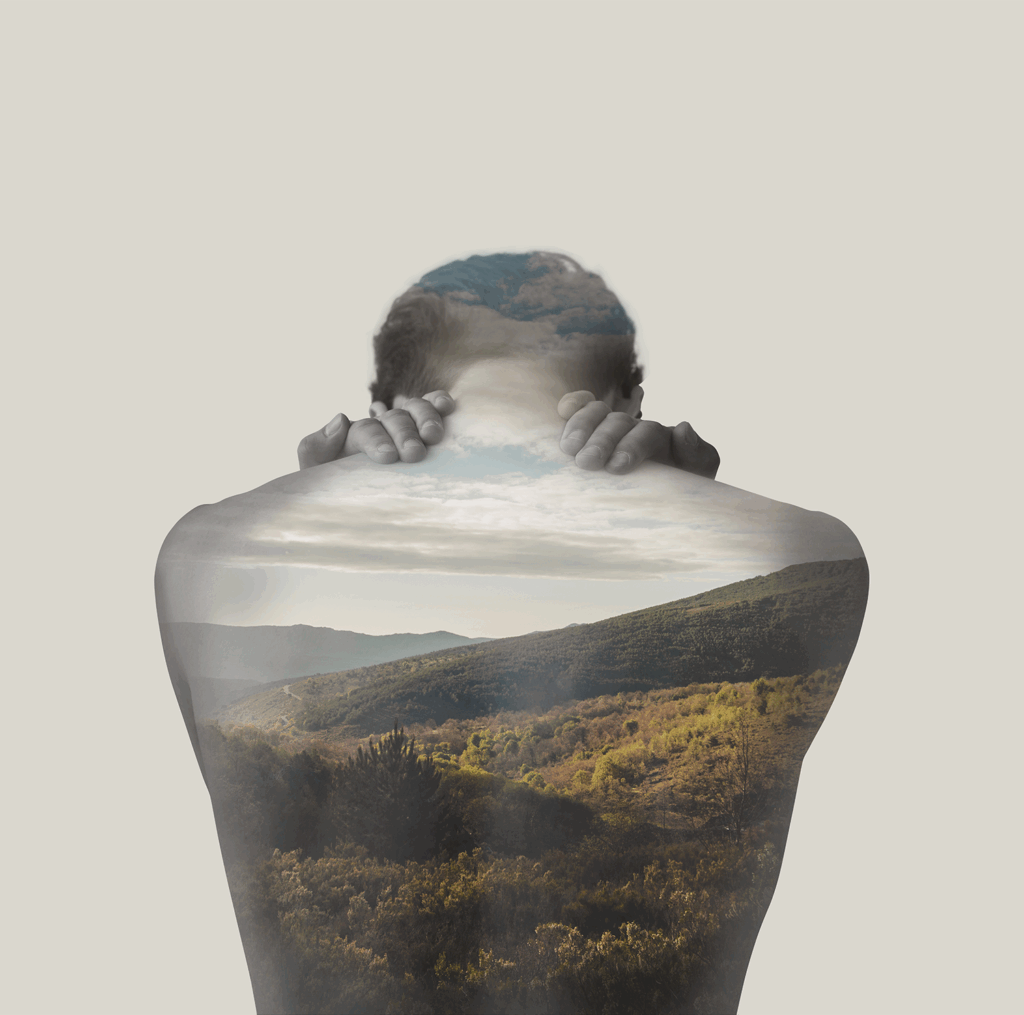
Explore the interconnectedness of ecosystems, human impact on the environment, and the role of consciousness and mindfulness in cultivating ecological awareness and sustainability.

Ecology is an integrative discipline that studies the complex web of living and non-living components of the Earth that interact to create a functional unit called the ecosystem (Environment & Ecology, nd). The ecosystem includes everything from microorganisms to large mammals, as well as the physical environment such as water, air, and soil. The ecosystem operates through a series of feedback loops, in which changes to one component of the system can have cascading effects on other components (ALEFTP 7505 Ecopsychology, 2023) Therefore, it is crucial to understand how the system works to manage and maintain the health of the ecosystem.
However, human activity has disrupted the balance of the ecosystem, threatening its sustainability. Over the past 50 years, humans have changed these ecosystems more rapidly and extensively than in any comparable period of time in human history, largely to meet rapidly growing demands for food, fresh water, timber, fiber, and fuel (Ecosystems and Human Well-being). While significant net benefits in human well-being and economic progress have resulted from this alteration of the globe, many areas and demographic groupings have suffered, and the full expenses incurred to achieve these gains are just now becoming clear (Costanza et al., 1997). In fact, ample scientific evidence supports the claim that human civilization and technological advancements have had a negative impact on the environment (Almond& Peterson, 2020; World Wildlife Fund, 2020).
The ecological crisis is a result of human actions that have altered the natural environment over an extended period of time. From the adoption of agriculture approximately 10,000 years ago to the industrial revolution in the 18th and 19th centuries onwards, human activities have disrupted ecosystems and decreased the diversity of living organisms. The intensification of agriculture, urbanization, and transportation infrastructure further exacerbated environmental problems such as climate change, loss of biodiversity, pollution, and resource depletion (Rockström et al., 2009). Therefore, it is crucial for humans to become aware of our impact on the planet and take action to preserve its delicate ecosystems.
Human beings have a significant impact on the natural world, and this impact is not just physical but also psycho-cultural. Our beliefs, values, and behaviors shape how we interact with the environment, and these interactions can disrupt the ecological systems that sustain life on Earth. One way that humans disrupt the ecology psycho-culturally is through our belief in the separation between humans and nature. Roszak (1995) explores the connection between the natural world and human psychology. He argues that the ecological crisis we are currently facing is not just a physical problem, but also a psychological one. He suggests that our disconnection from nature has led to a sense of alienation and disorientation, which has contributed to the destruction of the environment. I believe the main reason behind this is that popular culture, including films, advertising, and tourism, has played a significant role in constructing the dominant attitudes towards nature, which often prioritise human interests over environmental sustainability (Wilson, 1991). Kollmuss, A., & Agyeman, J. (2002) study found that personal values, beliefs, and attitudes play a crucial role in determining whether an individual engages in pro-environmental behavior. Additionally, social norms, peer pressure, and the influence of significant others can also have a significant impact on an individual's behavior.
I believe if we can develop a deeper awareness of our interconnectedness with the natural world and cultivate a sense of empathy and respect, then this shift in consciousness can lead to a more holistic and sustainable approach to our relationship with the environment. However, achieving this conscious evolution will require significant effort and a fundamental shift in our values and priorities. I believe this conscious shift may be achievable through a combination of individual and collective efforts. I have adopted a more sustainable lifestyle, such as reducing energy consumption, using renewable resources, choosing the eco-friendly product, etc. As a collective effort, I believe in the importance of building strong, supportive communities that share a vision for a more sustainable future. This includes participating in local initiatives, building relationships with neighbors, and creating spaces for dialogue and collaboration. During my mindfulness trainings, I decided to open space to discuss the ecological systems, the impacts of climate change, and the interconnections between social and environmental issues. I also believe that intentional practices such as meditation, mindfulness, and self-reflection practised in nature play a role in cultivating a deeper connection with nature and recognising our interconnectedness.
References
ALEFTP 7505 Ecopsychology. (2023). Ecosystemic Biology: Principles & dynamics of existence in the trans-species home.
Almond, R., M., G., & Petersen, T. (2020). Living Planet Report 2020.
Costanza, R., ve ark. (1998). The value of the world’s ecosystem services and natural capital. Ecological Economics, 25(1), 3–15.
Environment and Ecology. (t.y.). Philosophy of Biology.
Kollmuss, A., & Agyeman, J. (2002). Mind the gap: Why do people act environmentally and what are the barriers to pro-environmental behavior? Environmental Education Research, 8(3), 239–260.
Millennium Ecosystem Assessment. (2005). Ecosystems and Human Well-being: Synthesis.
Rockström, J., ve ark. (2009). Planetary boundaries: Exploring the safe operating space for humanity. Ecology and Society, 14(2).
Roszak, T. (1995). Ecopsychology: Restoring the Earth, Healing the Mind.
Wilson, A. (1991). The Culture of Nature: North American Landscape from Disney to the Exxon Valdez.
WWF. (2020). Living Planet Report 2020: Bending the Curve of Biodiversity Loss.